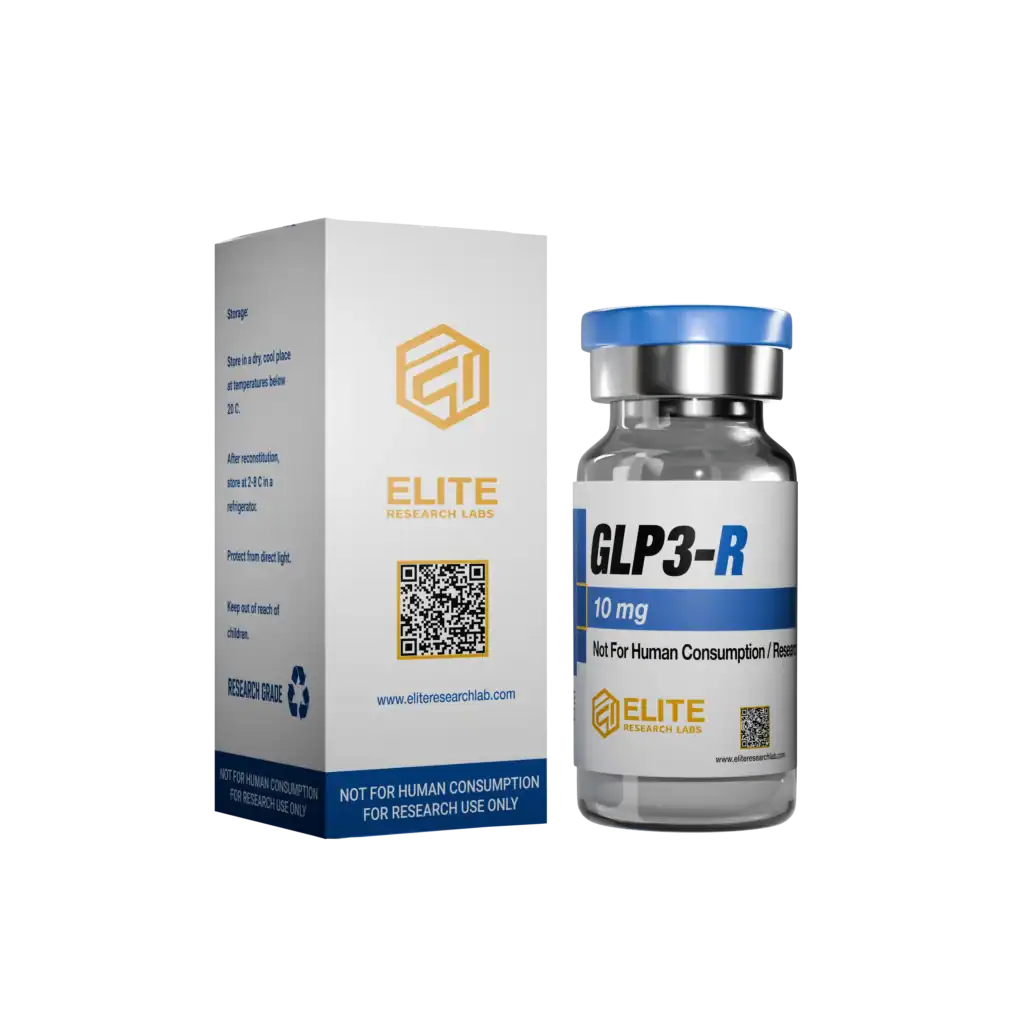
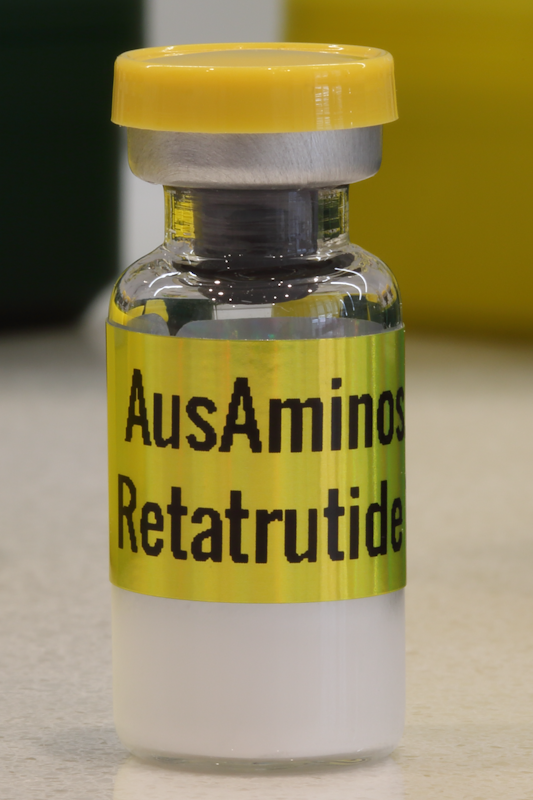
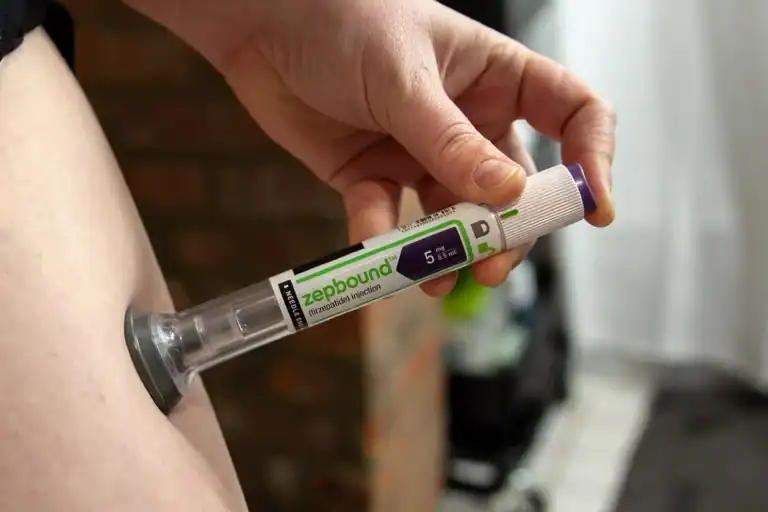
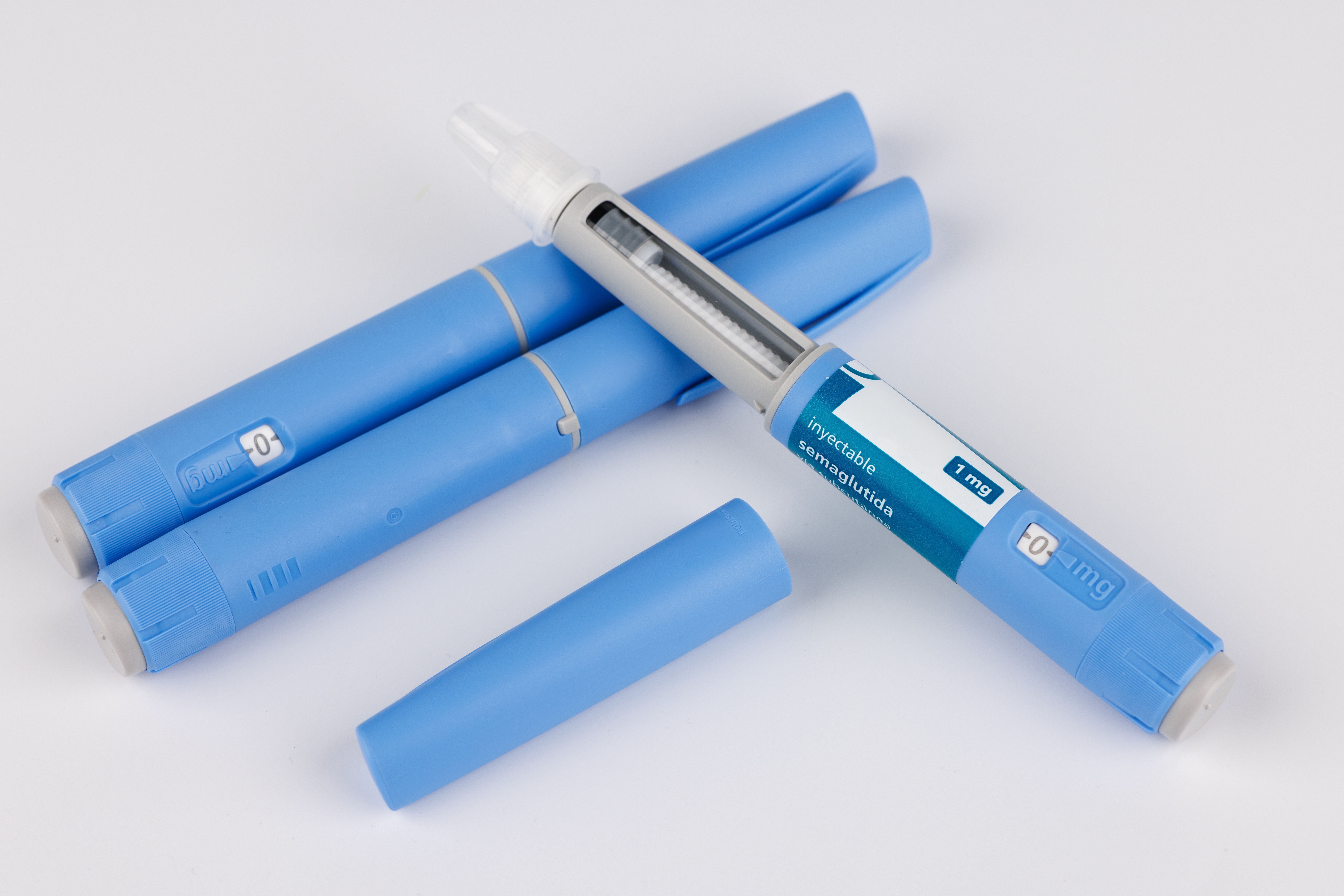
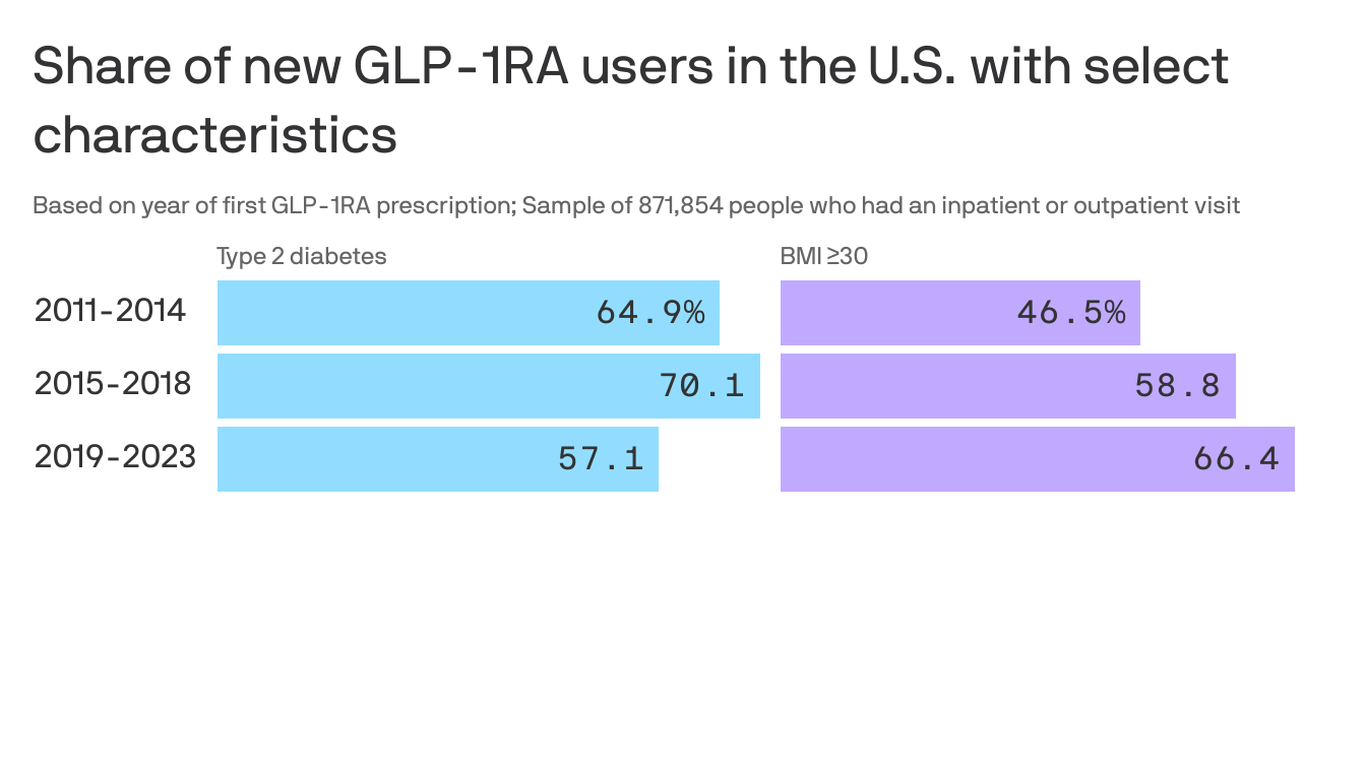
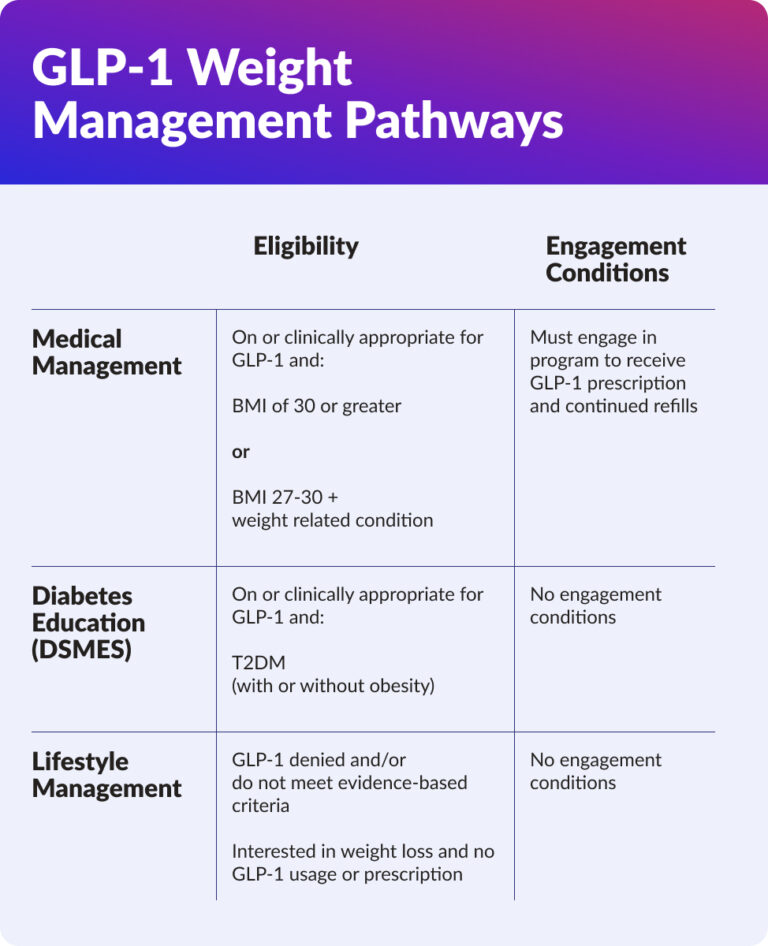
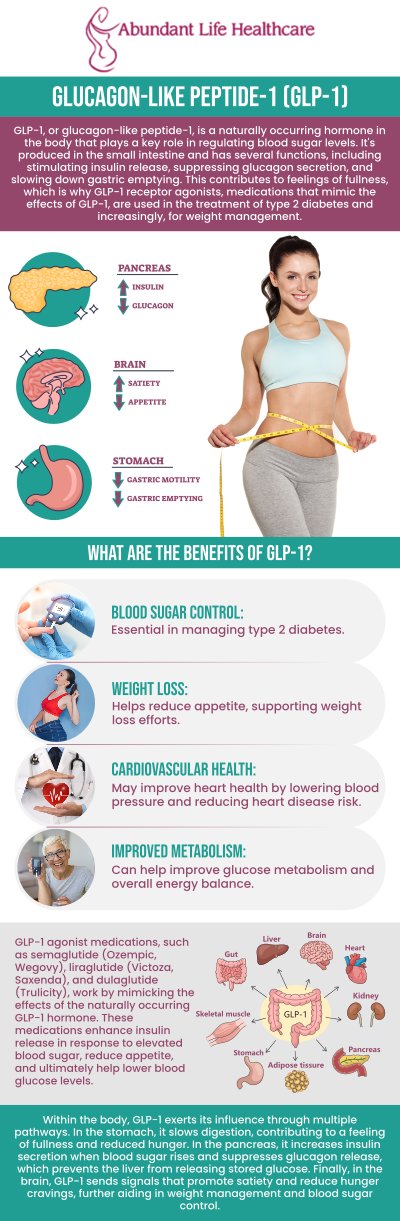
In the case of GLP-1 agonists, which stands for glucagon-like peptide-1, were introducing a substance that mimics you GLP-1 hormones, which are responsible for: Signaling your pancreas to produce insulin, the hormone that ferries glucose out of your bloodstream Slowing digestion Blocking the secretion of glucagon, which raises your blood sugar levels Signaling your brain that youre full or satisfied Due to their ability to regulate the level of blood sugar in your system, GLP-1 agonists were first introduced to combat diabetes
data from Phase A (before the crossover) are most useful because they are free of any effects that may have persisted into Phase B
Several metabolic adaptations make it challenging to sustain weight loss long-term, including hormonal changes, increased food noise, and the energy gap. Shifts in Hunger Hormones Hunger and satiety are partially driven by hormones released from the gut to the hypothalamus (a region of the forebrain)
Vitamin C, also known as ascorbic acid, is an essential nutrient that keeps the body functioning