The following phenomena were observed based on TEM analysis in group B: a large number of vacuoles in the cytoplasm, obvious oedema and cavitation of organelles, increased levels of abnormal lipids, rupture of the nuclear membrane of interstitial cells, mitochondrial oedema, partial absence of cytoplasm, increased nuclear heterochromatin, expansion of endoplasmic reticulum, obvious damage to the spermatogonia membrane, a few vacuoles near the membrane, endoplasm of primary spermatocytes, insignificant swelling of the endoplasmic reticulum, the lack of a defined cell membrane, increased nuclear heterochromatin and the formation of large vacuoles next to secondary spermatocytes
Animal studies show remarkable safety even at high doses
This imbalance results in the formation of free radicals and the degradation of lipids and proteins, ultimately leading to substantial death of neurons
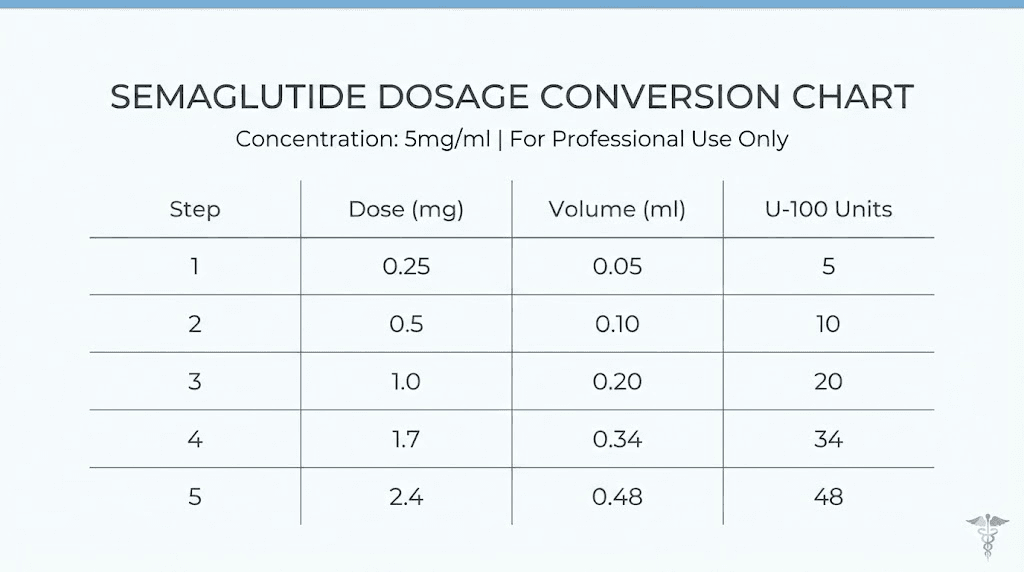
Starting at the full 2.4 mg dose would produce severe nausea, vomiting, and other gastrointestinal distress in most individuals